Bespoke Diet Mind
Teaching Children the Art of Presence at the Table
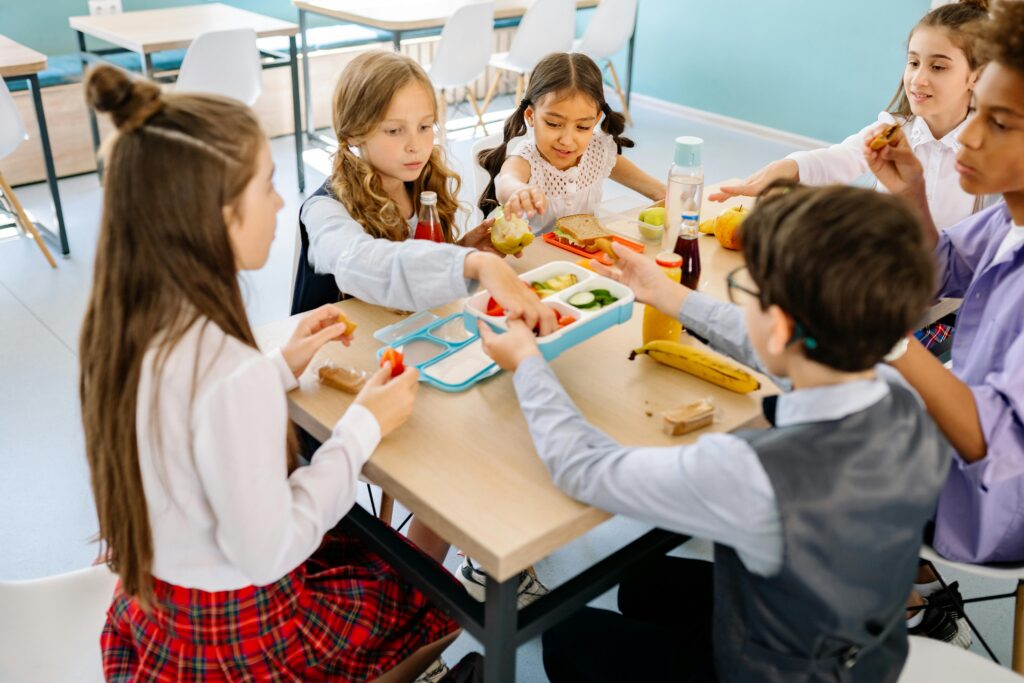
“Children don’t learn presence from lectures. They learn it from the environment you create.” Most adults want children to sit still, eat calmly, and enjoy meals without distraction. Yet many modern family tables are rushed, stressful, overstimulated, or inconsistent. Children are not born knowing how to be present at the table — they learn presence…
Read MoreHow Eating Together Shapes Relationships
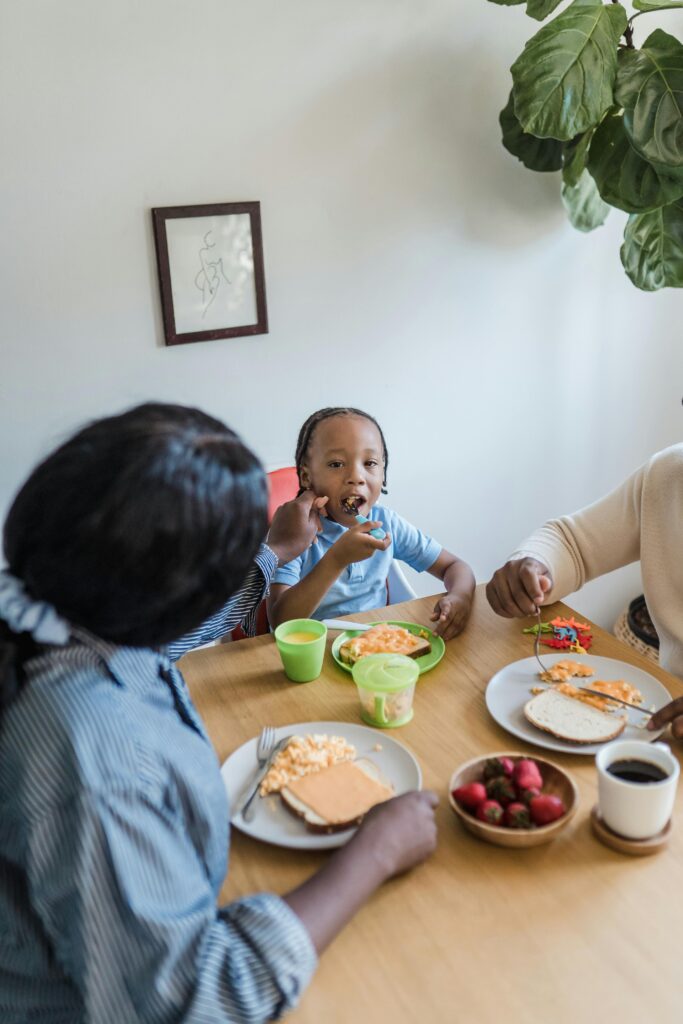
“A shared meal is one of the simplest, most consistent ways to strengthen the bonds in your life.” Most people understand that food nourishes the body. Fewer realize that meals nourish relationships just as directly. Eating together creates rhythm, familiarity, and connection — not because of sentimentality or emotional language, but because shared meals align…
Read MoreFood and Femininity: Nourishment, Radiance, and Self-Connection

“A well-fed body thinks better, feels steadier, and moves through the world with more presence.” Femininity is often framed through appearance — skin, weight, glow, softness, curves, leanness, “balance,” and discipline. But femininity is not a look. It is a state of being shaped by energy, steadiness, connection, and nourishment. At its core, femininity is…
Read MoreFood and Masculinity: Mastery, Strength, and Discipline

“Strength begins with stability. Discipline begins with structure. Mastery begins with understanding.” Masculinity is often linked to performance — strength at work, strength in the gym, strength in leadership, strength under pressure. Yet the foundation of strength is biological. Energy, clarity, focus, and physical capability all come from what you eat and how consistently you…
Read MoreEating as an Act of Self-Respect

“Self-respect is not a feeling. It’s a pattern.” Most people think of self-respect as something psychological — an inner feeling, a mindset, a form of self-esteem. But in daily life, self-respect is practical. It shows up in how you sleep, how you move, how you speak to yourself, and most clearly: how you feed yourself.…
Read MoreThe State of Your Kitchen Reflects the State of Your Mind

“Your kitchen is not just a room. It’s a reflection of how you think, how you prioritize, and how you care for yourself.” Most people assume their eating challenges are about discipline or nutrition knowledge. But often, the biggest influence is something quieter and more obvious: their kitchen environment. A cluttered, chaotic, unpredictable kitchen leads…
Read MoreConfidence Begins in the Kitchen

“When you can trust your meals, you can trust yourself.” Confidence is usually described as a personality trait — something you’re born with, something shaped by childhood, something you gain through achievements. But confidence is also biological. It grows from predictability, stability, and the way you take care of your basic needs. And one of…
Read MoreThe Identity Shift: Becoming Someone Who Eats With Intention

“Your habits follow your identity. Change who you are becoming, and your choices begin to match.” Most people try to change their eating habits through force: more willpower, more rules, more discipline, more restriction. The problem is simple: you cannot rely on force forever. It is too inconsistent, too exhausting, too reactive to mood, schedule,…
Read MoreWhy Perfectionism Is the Enemy of Progress
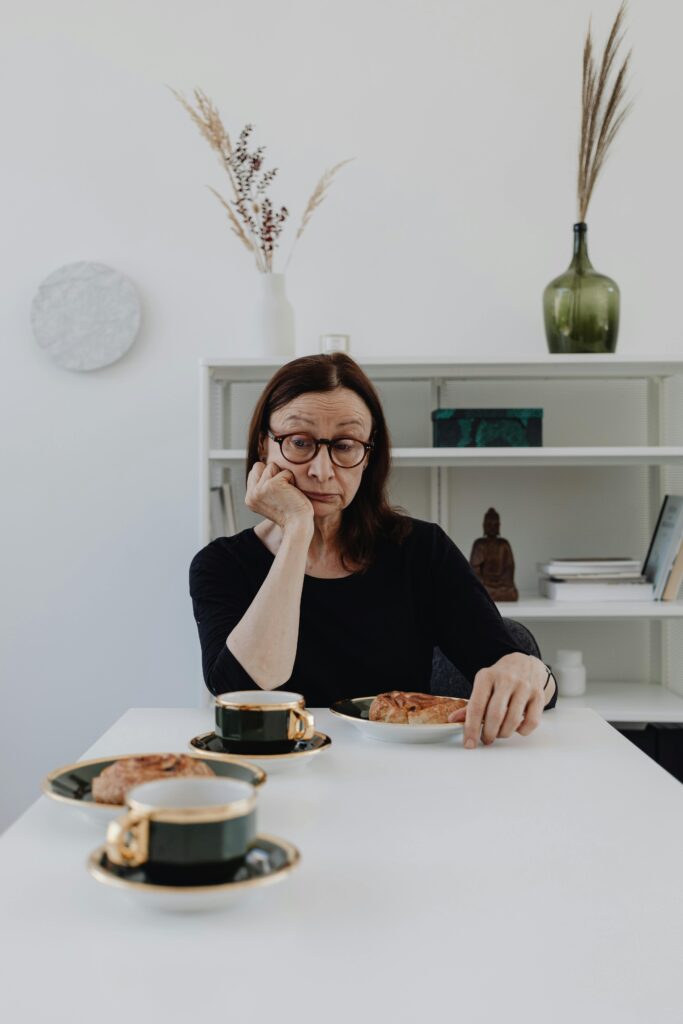
“You don’t need perfect days. You need repeatable ones.” Most people fail in their health or nutrition goals not because they are careless, but because they expect perfection. They set standards so high that they cannot repeat them consistently — and when they inevitably fall short, they believe they’ve failed entirely. Perfectionism quietly destroys progress.…
Read MoreWhy You Can’t Shame Yourself Into Change

“Shame doesn’t create discipline — clarity does.” Many people believe that if they are hard enough on themselves, they will finally change. They think discomfort equals motivation, harshness equals accountability, and self-criticism equals progress. But here’s the truth: shame is one of the least effective tools for long-term behavior change. Not because it’s emotional or…
Read More